

Fixtures


Hardware
Fixtures
Hardware
Case study
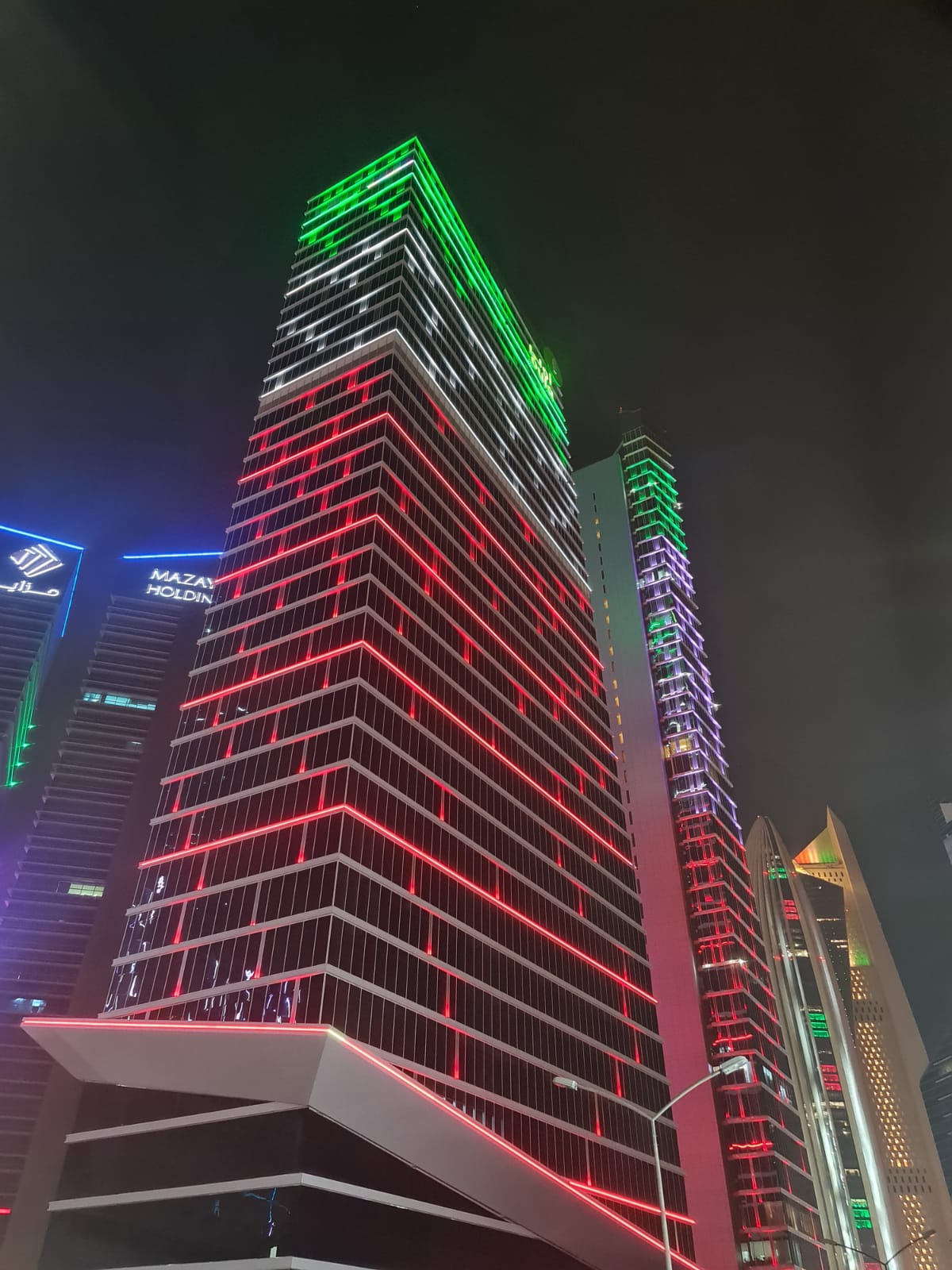
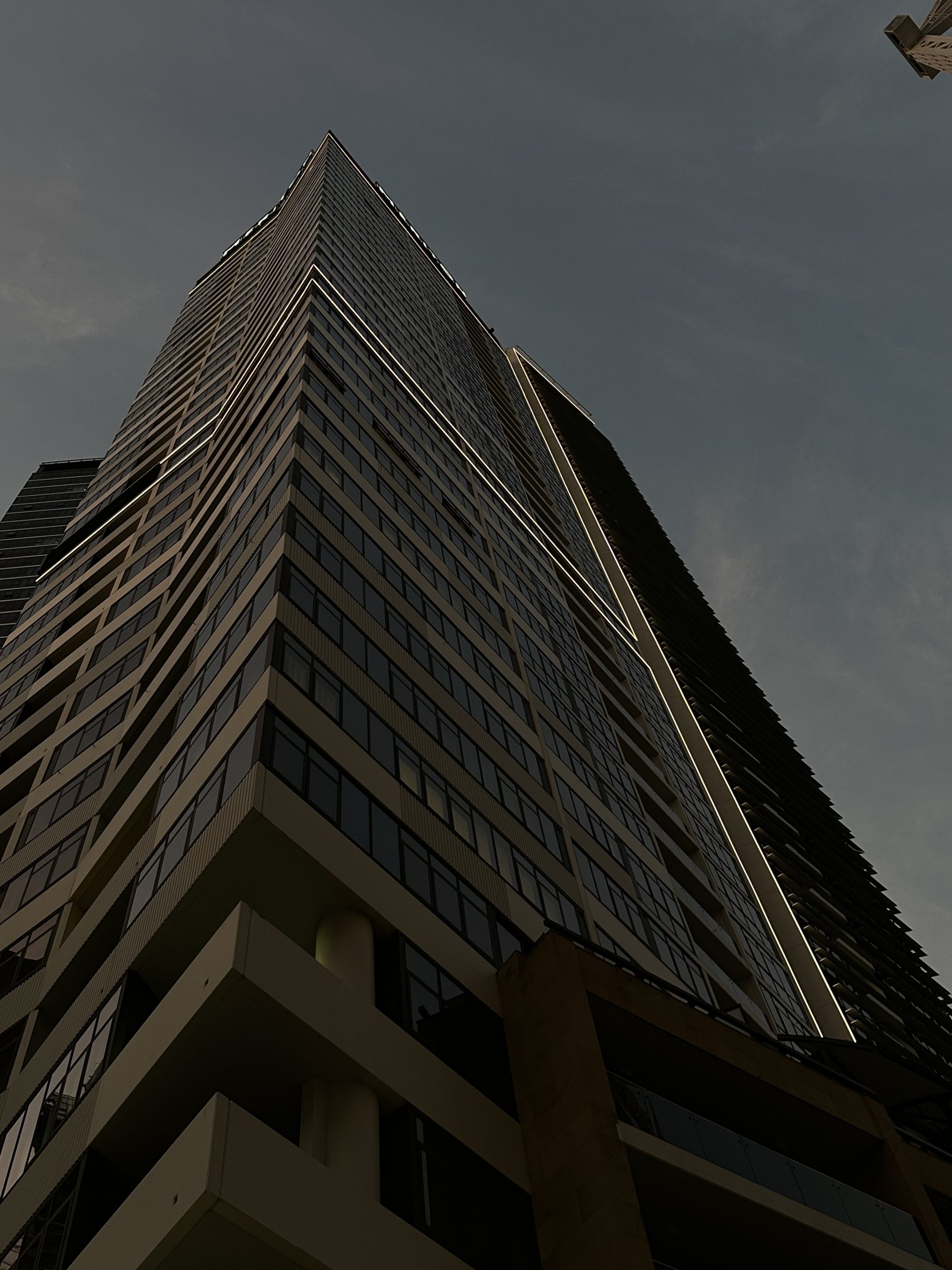
KBT Tower carries LXDM linear media bars across its façade in Kuwait City's financial district. Every bar is addressable at pixel level, so colour moves across the tower's full height instead of switching it as one block.
KBT Tower stands on Khalid ibn Al Waleed Street in Sharq, at the centre of Kuwait City's financial district. It opened in 2011 as the tallest of the four Kuwait Business Town towers, at 39 floors.
Its façade reads as silver reflective glass banded by white aluminium fins, with angled tops and a V-profiled glass canopy joining the four towers at ground level. The geometry comes from traditional Arabic rug and Islamic patterning.
Eleven years later, that patterning is what the lighting had to work with.
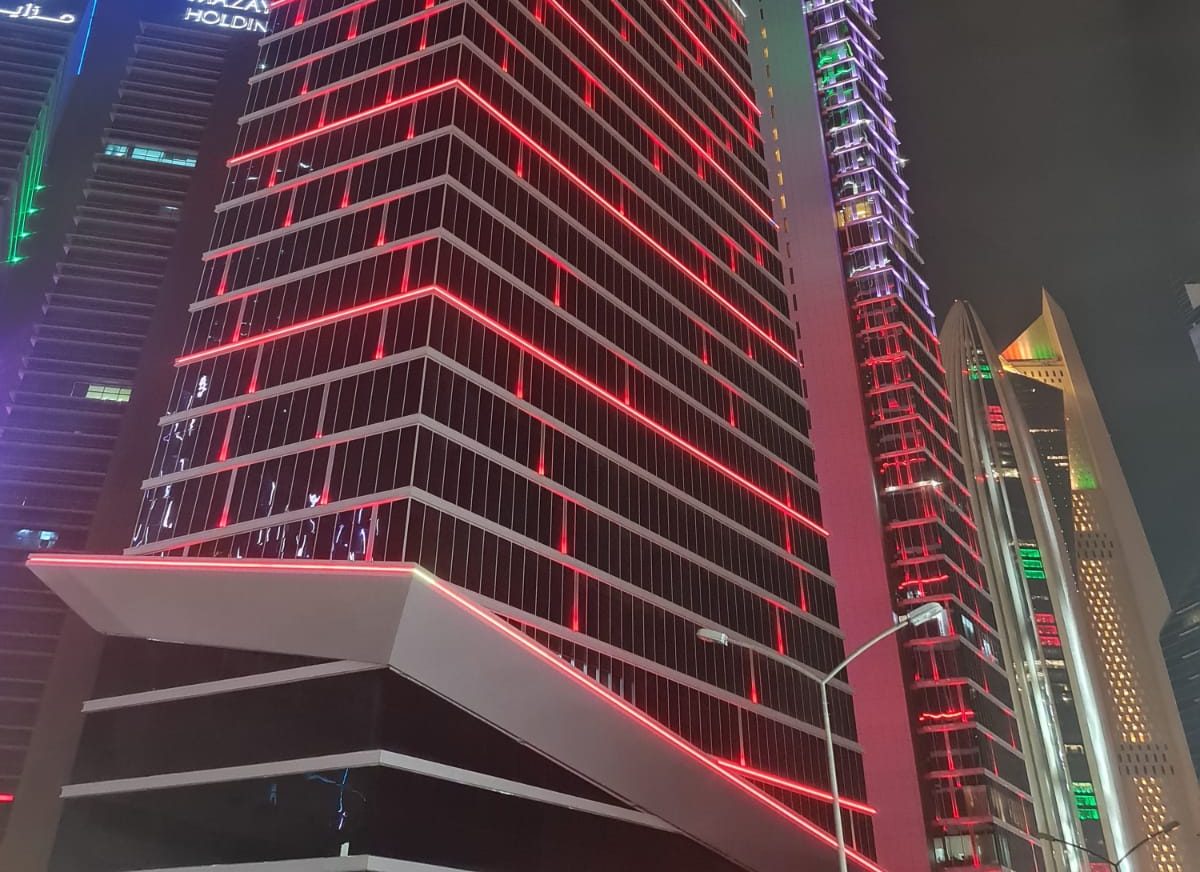
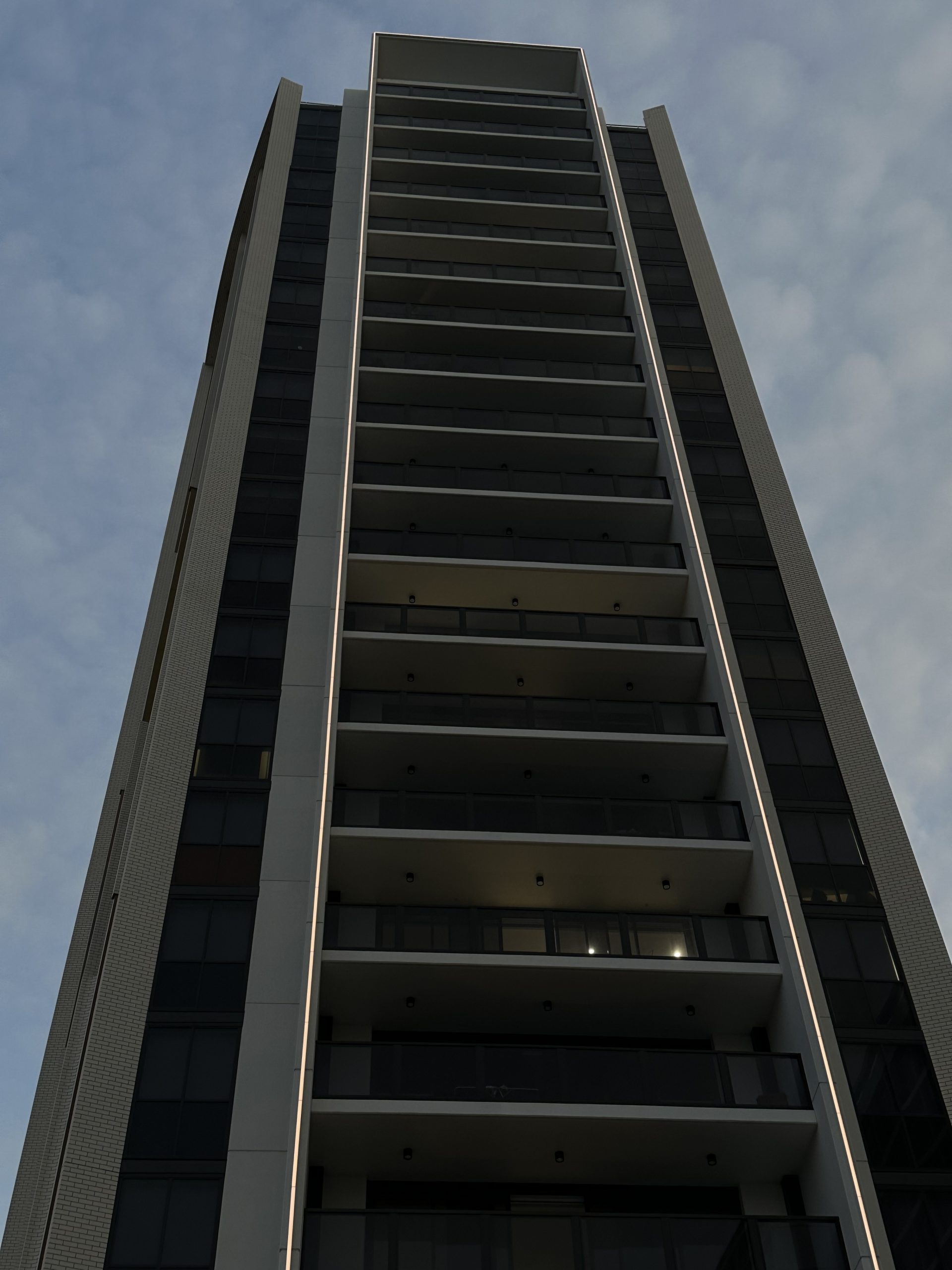
LXDM runs the full height of the façade. Pixel-level addressing gives the tower colour transitions and slow movement rather than a static wash, and scenes change for cultural events, seasonal themes and corporate identity.
LXDM carries its pixel data on X-Stream, which holds data through a failed pixel and allows long runs between feeds — the reason a façade this tall can be driven with fewer power and data positions than a serial chain needs.
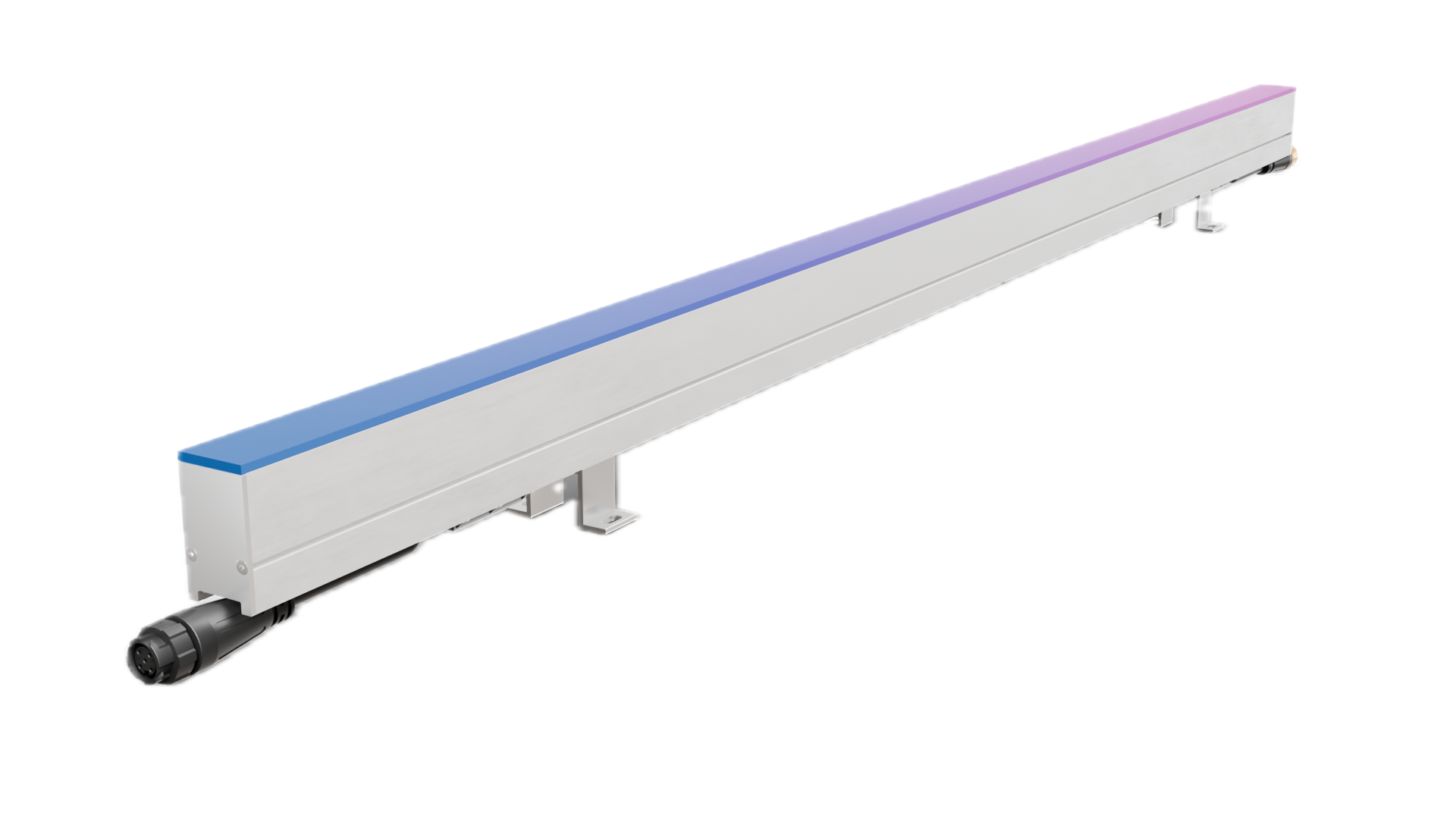
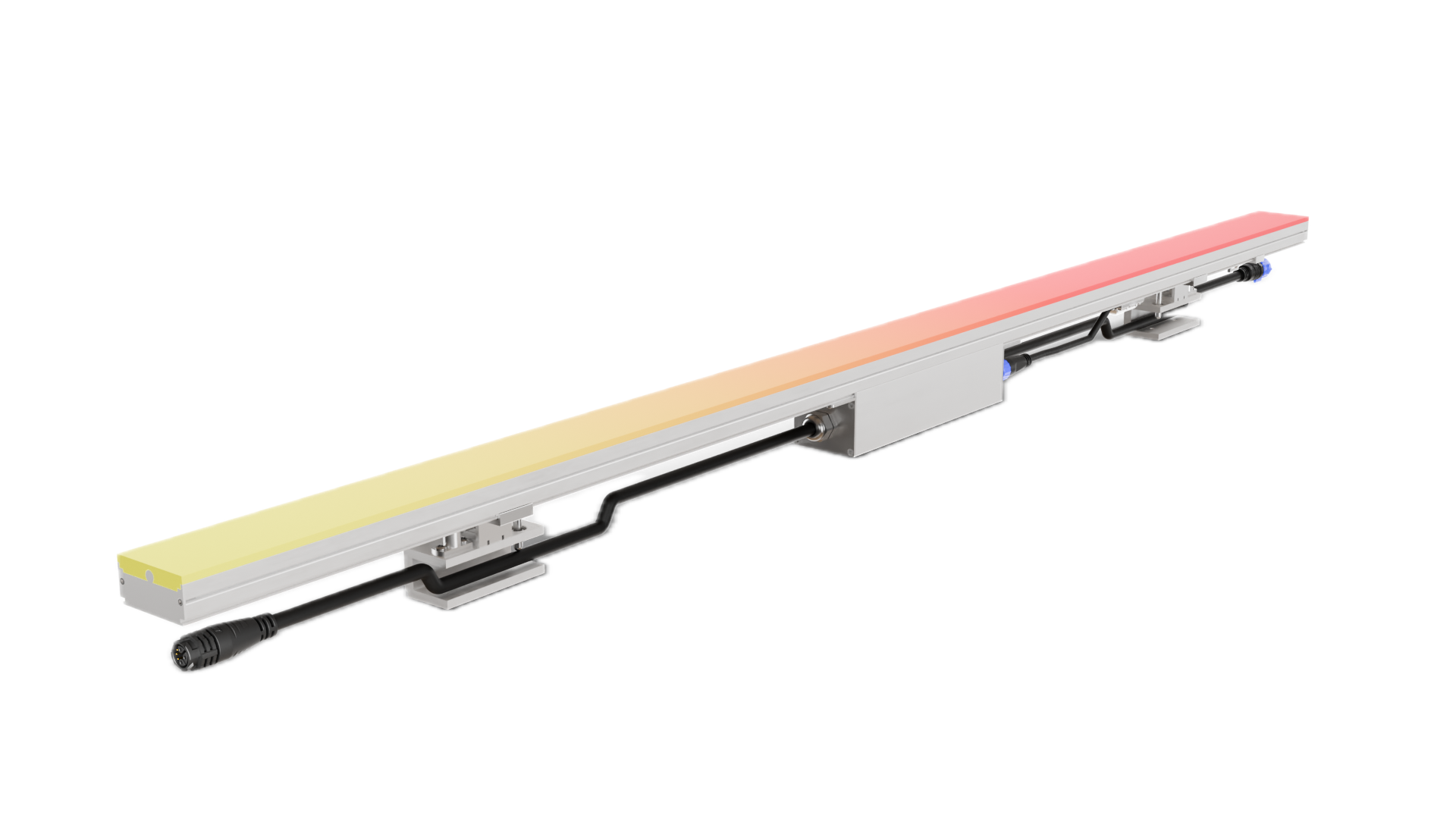
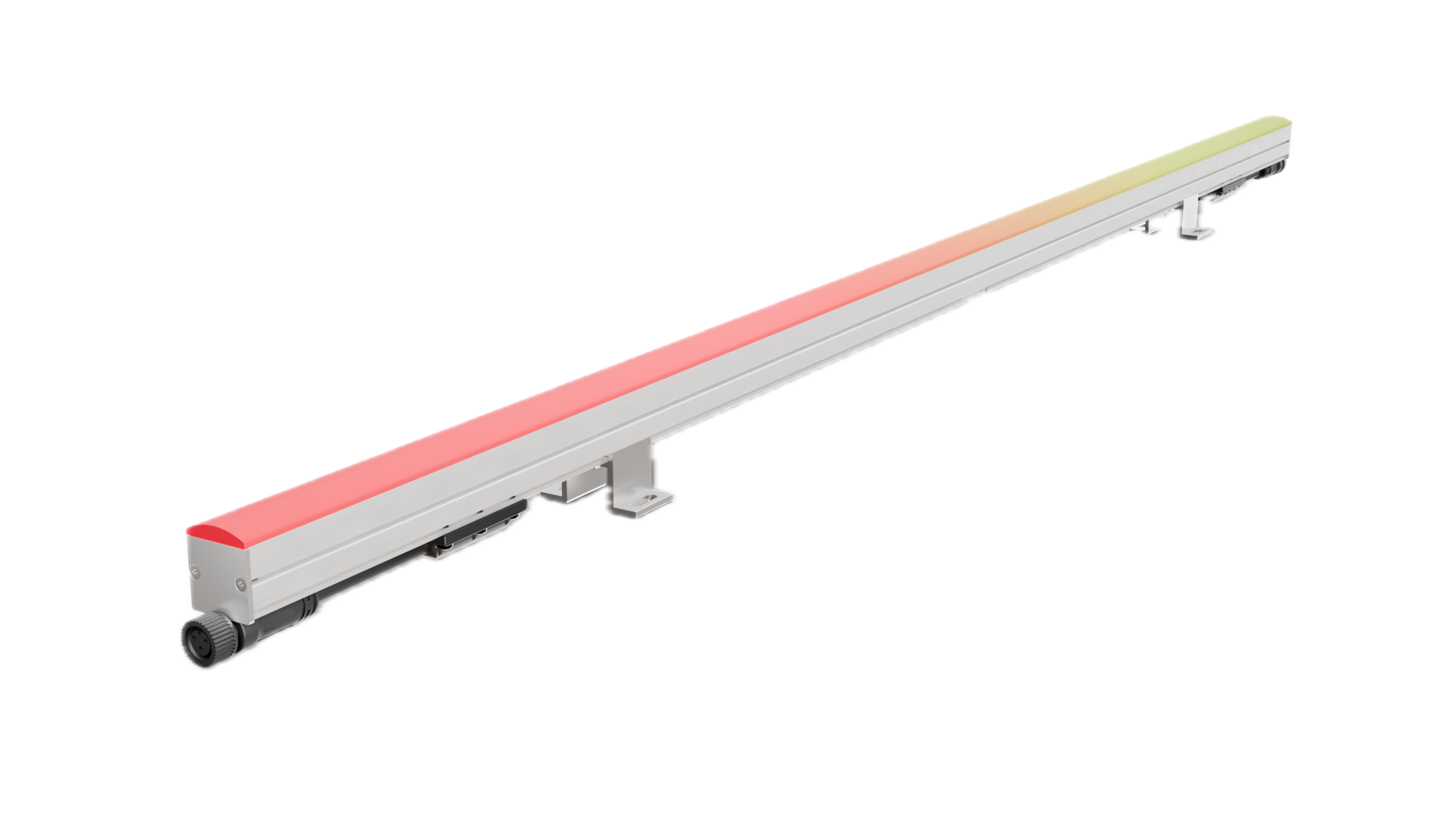
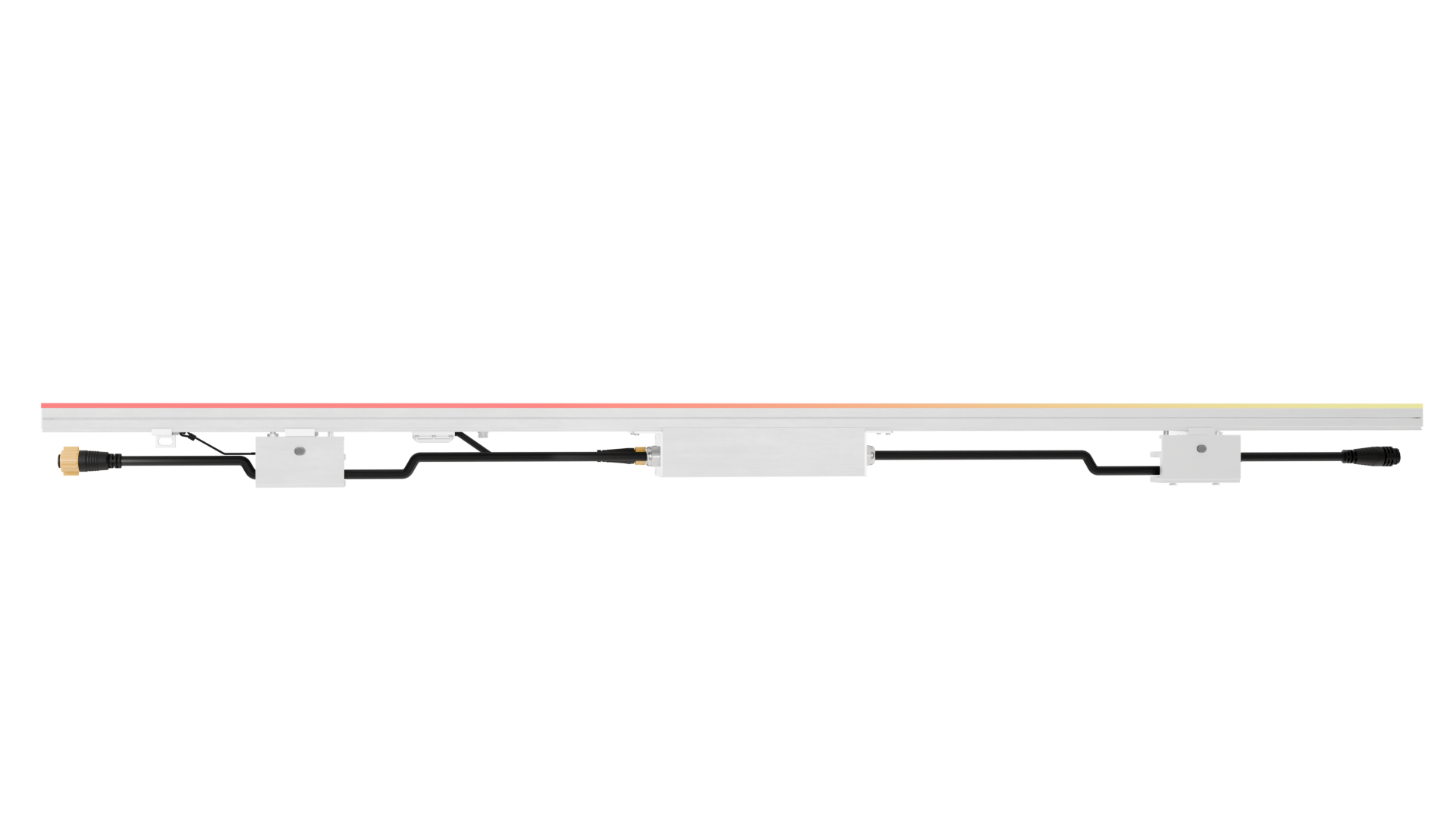
Slim direct-view media bar for indoor and outdoor work. Push-lock connectors, aluminium housing in standard or custom RAL, and clip, foot or hook-on mounting.
View LXDM